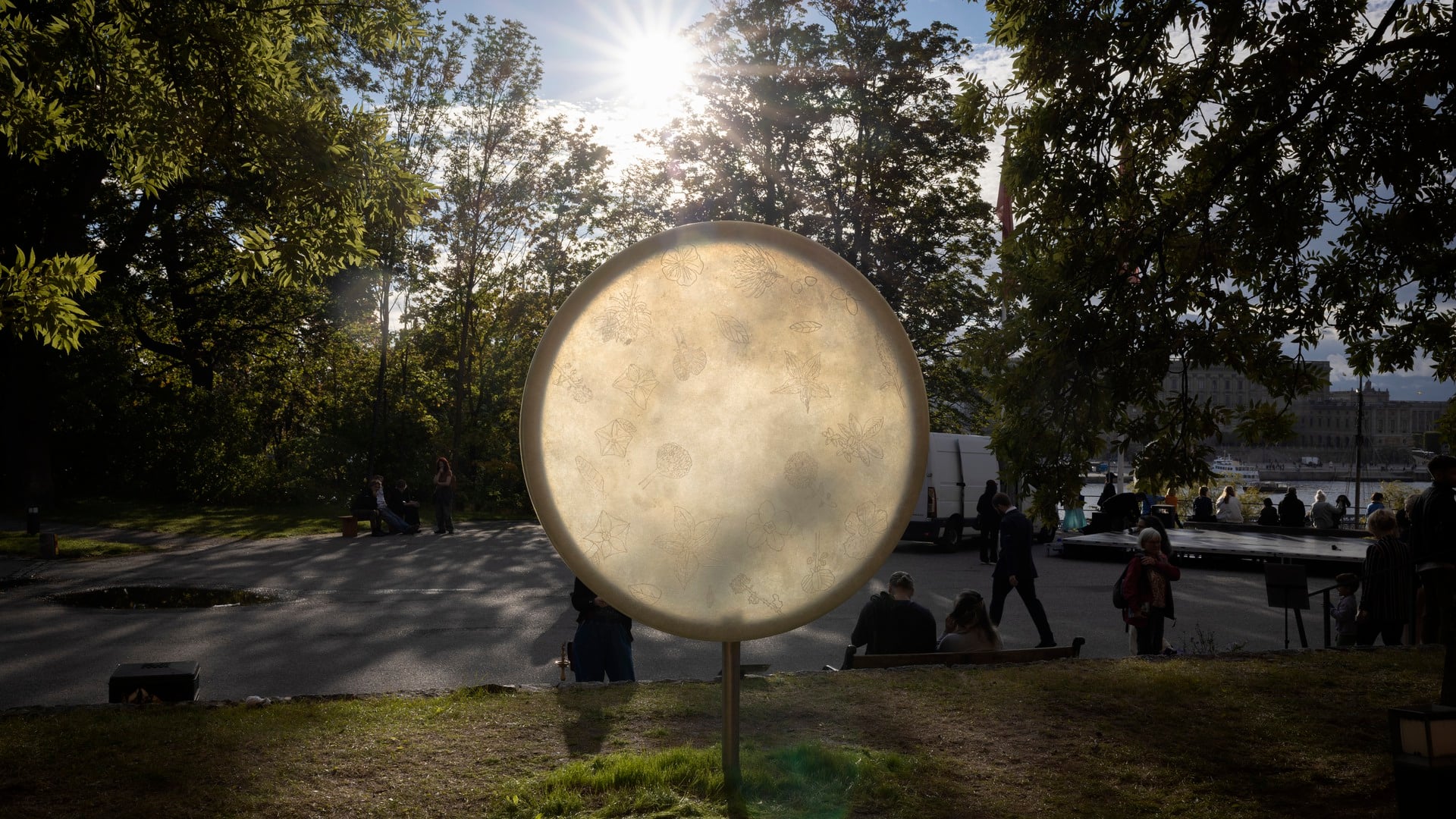
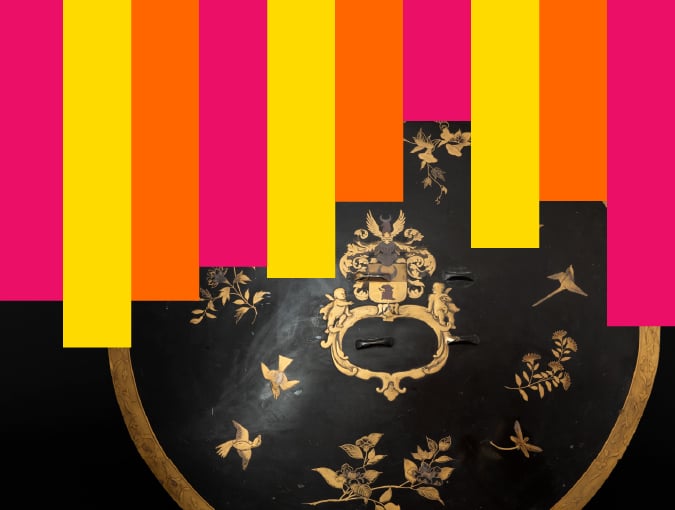
The Sun of Zeelandia enlarges and transforms the circular form of the shield into the sun. The original plant motifs on the shield have been transformed into drawings created by nineteen elementary school students from Ximen Elementary School in Tainan city.
During the Dutch colonial era, many foreign plant species were imported to Taiwan, while the Makatao Indigenous people, who inhabited the same region, were displaced and their communities were largely destroyed. The plants depicted by the children on the surface of The Sun of Zeelandia represent both Dutch-imported species that still grow in Taiwan and plants associated with the Makatao people.
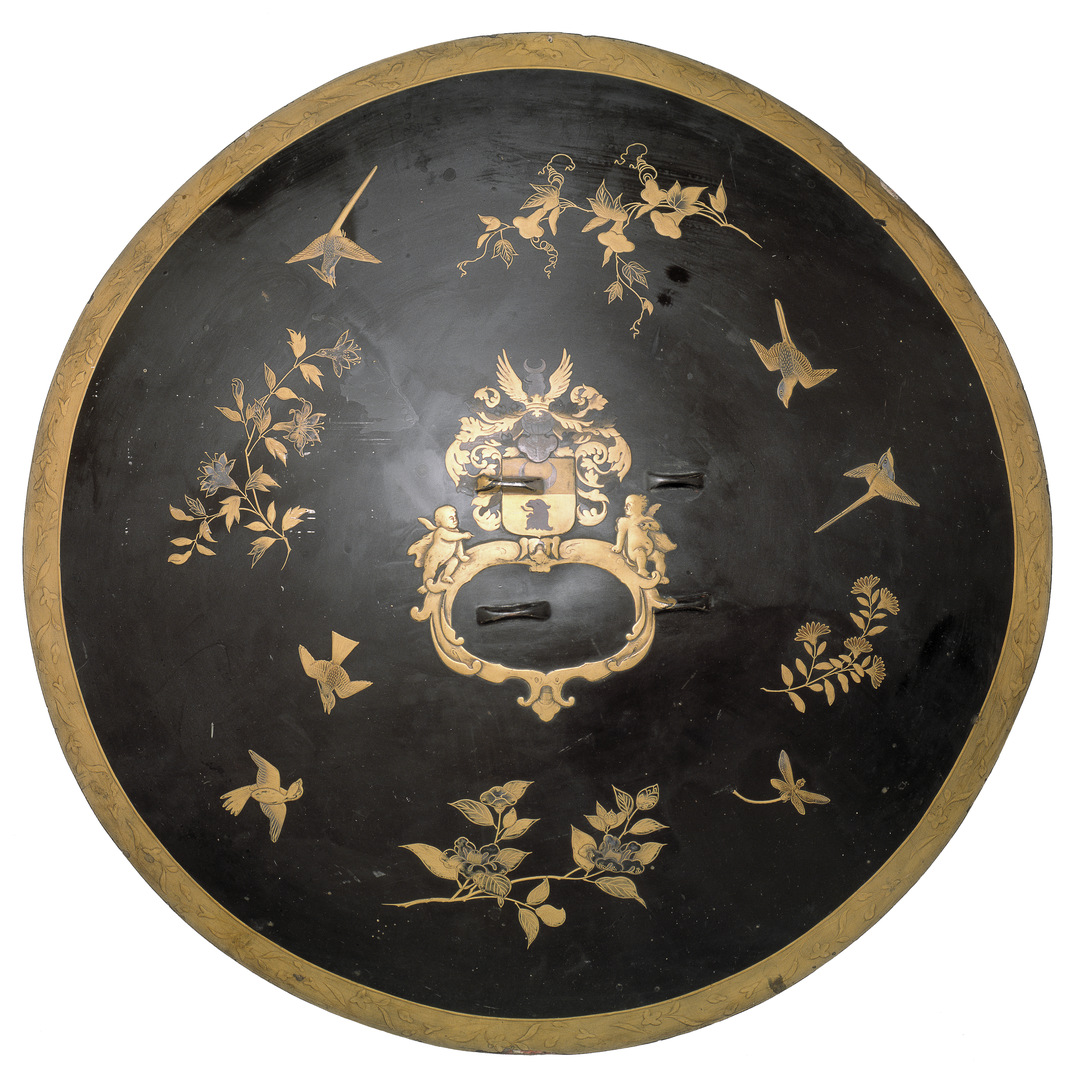
The core idea of The Sun of Zeelandia is transform a shield, an object associated with warfare and colonialism into a sun, embodied in a public sculpture installed near the entrance of the Museum of Far Eastern Antiquities. This transformation is a way of decolonizing the traditional narrative surrounding the shield. Combined with the childlike quality of the drawings, the artwork becomes a symbol of warmth and hospitality, welcoming all visitors.
To see the shield of Fredrik Coyet, please visit the Japan Gallery in the museum.
This installation was created within the National Museums of World Culture’s project, Bringing Objects to Life, and Challenging the Museums’ Colonial Histories. The project examines how the museums' colonial histories and legacies continue to shape our present.
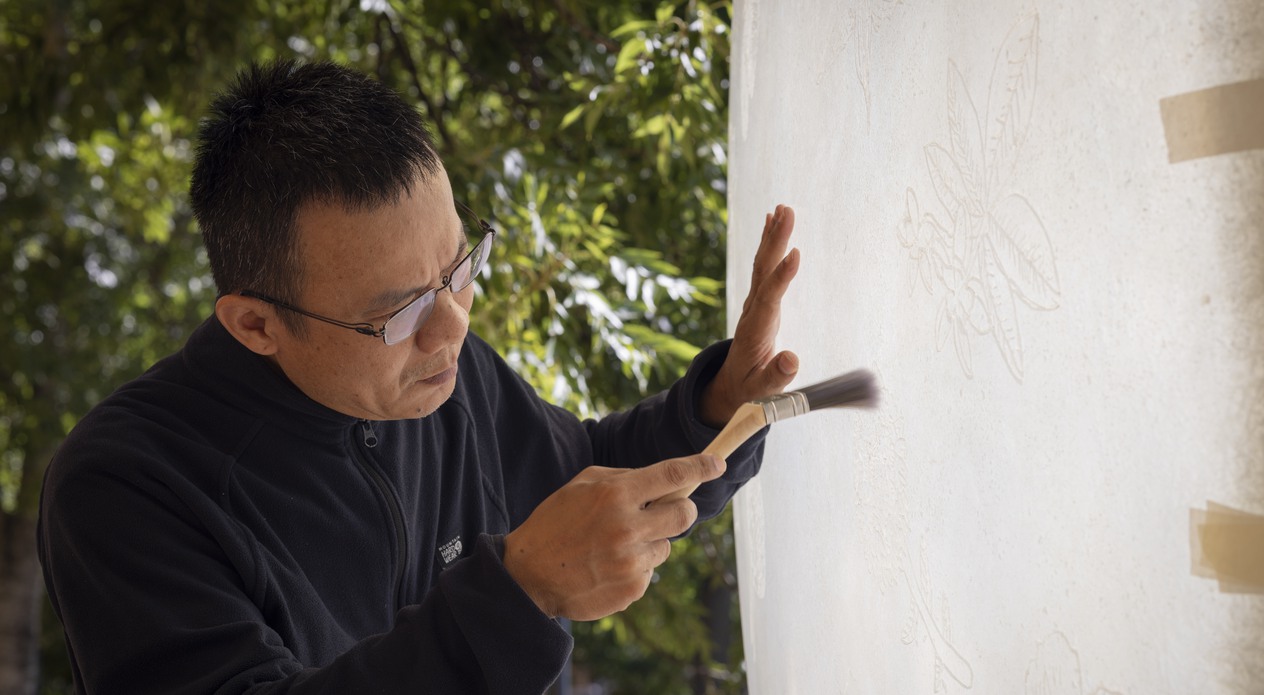
Kao Jun-Honn (高俊宏) is an artist and writer from Taiwan. Born in 1973, he works in several different media and materials, often focusing on history, colonialism, and racism.
Jun-Honn holds degrees from Taipei National University and Tainan National University of the Arts. Today, he is affiliated with the Institute of Interdisciplinary Arts at Kaohsiung Normal University.